

How to Write Manga When Your Story Feels Flat
If you searched “how to write manga,” you were probably expecting advice about pacing, panel layout, or fight choreography. That is what most articles focus on. But if you are serious about improving, there is a deeper question hiding underneath your search.
Why does your story lose energy halfway through chapter one?
You outline something exciting. You begin drawing. The first few pages feel strong. Then suddenly the momentum disappears. The scenes feel mechanical. The conflict feels forced. You start questioning your ability.
This is not a talent issue.
It is a structural issue.
Most manga does not fail because of art skill. It fails because the wrong layer of the story is being fixed. If you truly want to understand how to write manga, you must begin with pressure, not plot.
Manga Works Because of Pressure, Not Events
Many new writers think in terms of events. A fight happens. A twist is revealed. A rival appears. A training arc begins. But strong manga works because the world applies pressure to the character. The events are just expressions of that pressure.
Before you outline another chapter, ask yourself what your world rewards. Does it reward strength? Intelligence? Obedience? Emotional restraint? Now ask what it punishes. Weakness? Compassion? Defiance? Curiosity?
If you cannot clearly define those forces, your world is decoration. And decoration does not generate story.
This is where most “manga writing style” advice stays shallow. It teaches aesthetics instead of systems. But systems create tension. Tension creates story.
Your Protagonist Must Be Designed, Not Decorated
Many writers start with personality traits. They describe the protagonist as hot-headed, kind, shy, ambitious, or rebellious. Those details are fine, but they are not structural.
A strong protagonist is defined by desire, fear, belief, and flaw. What does your character want that they should not want? What lie do they believe about themselves? What internal weakness will the world exploit?
If your protagonist does not fracture under pressure, the story will stall. You will be forced to invent bigger and bigger external events just to keep things moving.
When creators feel stuck, it is often because their protagonist was never pressure-tested. The character reacts to events instead of driving them.
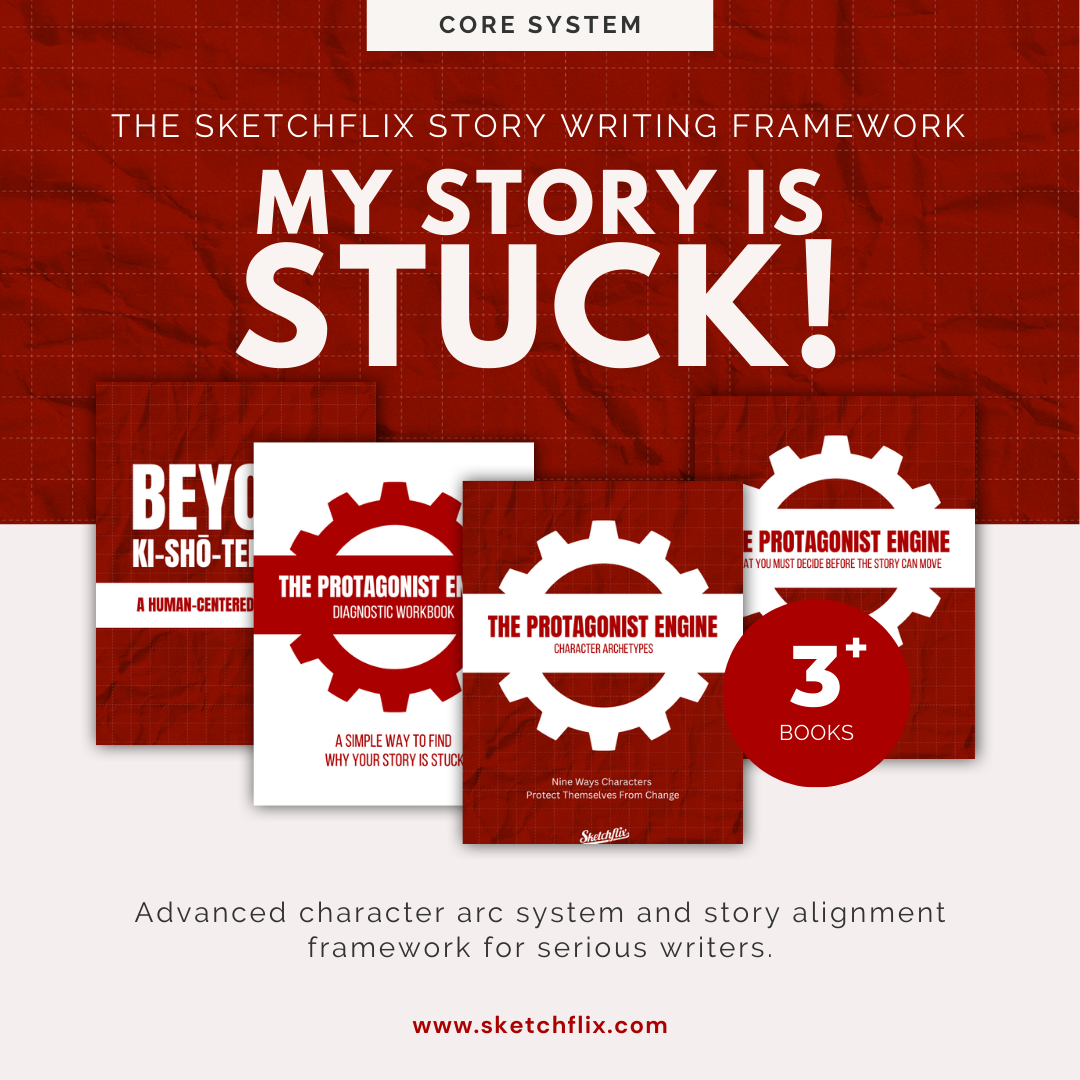
This is exactly the problem the Protagonist Engine bundle was built to solve. It is not a prompt book. It is a diagnostic framework that helps you see why your character refuses to change.
Manga Writing Style Is Escalation With Consequence
Whether you are writing a manga story in English or studying how to write manga in Japanese, one principle remains consistent. Escalation must carry cost.
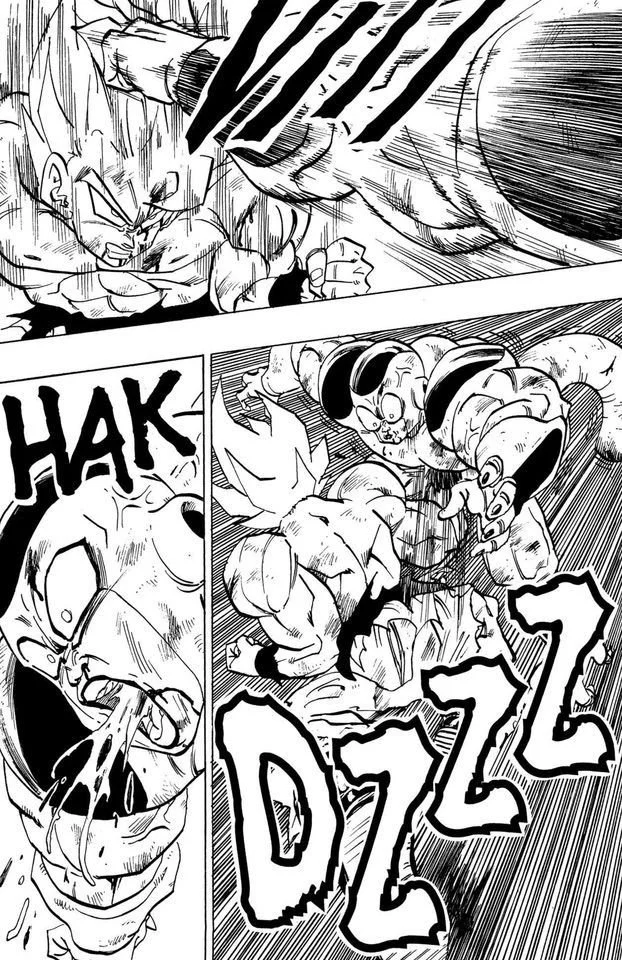
Many stories escalate externally. The enemies get stronger. The battles get larger. The explosions get brighter. But internally, nothing changes.
Strong manga increases emotional cost along with physical stakes. Each chapter should force the protagonist closer to confronting their flaw. Each confrontation should narrow their options.
If escalation only increases spectacle and not consequence, readers disengage.
Think in Pages, Not Paragraphs
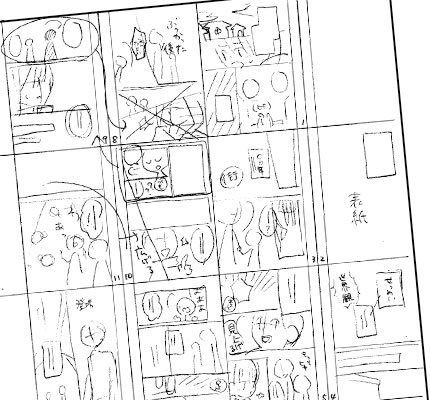
Manga is visual rhythm. Every page should shift power. When you storyboard, focus first on emotional movement. Who holds control at the beginning of the page? Who holds it at the end?
Dialogue should come last. If you script dialogue first, you will overwrite and slow pacing. If you thumbnail pages first, structural problems become obvious instantly.
Storyboards are not art. They are diagnostic tools.
When you understand storytelling but your protagonist still refuses to transform, the issue is rarely plot.
This bundle provides the full character alignment layer: protection identification, resistance patterns, and structural pressure mapping.
Includes the Protagonist Engine framework, archetype breakdowns, story logic integration, and the Diagnostic Workbook.
Designed for serious writers who want clarity instead of hacks.
Inside, you’ll learn how to:
see what your protagonist is actually protecting
understand why pressure isn’t forcing change
recognize different resistance patterns instead of misdiagnosing them
stop rewriting scenes that are already doing what they’re designed to do
This is not a plotting system. It’s a diagnostic framework for understanding why change isn’t happening.
Why Most Manga Stories Feel Flat
Here is the uncomfortable truth. Most serious creators are not stuck because they lack ideas. They are stuck because their world pressure, character design, and escalation logic are misaligned.
They fix scenes when the protagonist layer is broken. They design cool abilities without defining cost. They add twists instead of increasing internal fracture.
You do not need more creativity.
You need alignment.
If you want a structured way to test your protagonist before drawing your next chapter, you can explore the Protagonist Engine system here.
Final Thought
Learning how to write manga is not about copying style. It is about understanding pressure. When character, world, and consequence align, plot becomes easier. When they do not, even beautiful art cannot save the story.
Fix the right layer first.