

How to Start Your First Manga: A Step-by-Step Guide for Beginners
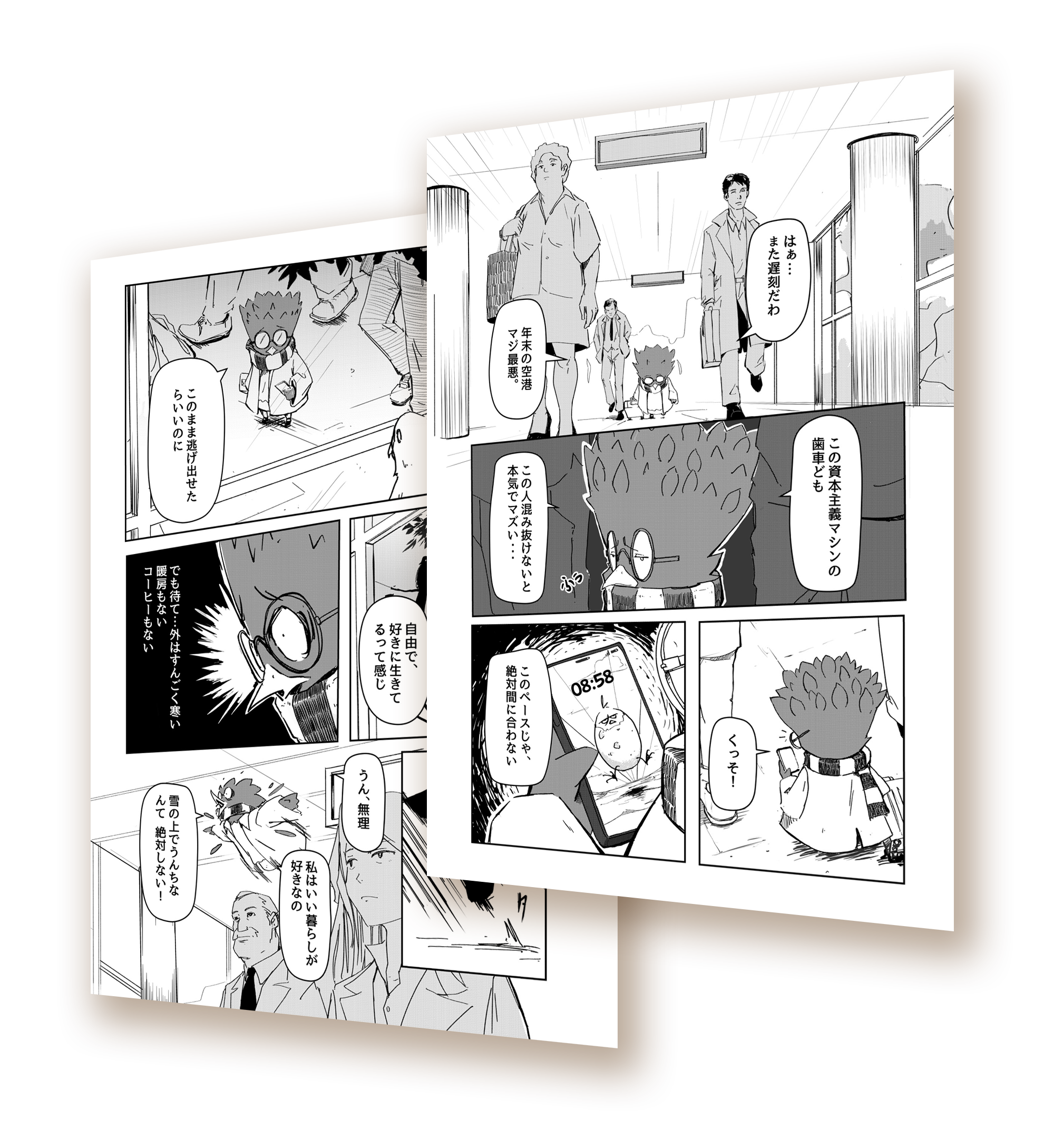
The dream is simple: you want to see your characters, your world, and your story on the page. But the reality is often a wall of frustration. Most beginners quit by Page 5 because they try to "draw" a manga instead of "building" one.
If you want to move past the "aspiring" stage and actually finish a volume, you need a professional pipeline. Here is the 10-step roadmap used in Tokyo studios, adapted for the modern creator.
Step 1: The "Vertical" Concept
Before you draw, you must define your story’s soul. A manga isn't just a series of cool fights; it’s a character struggling with a Vertical Question.
The Goal: Ask yourself, "What is my character's internal pressure?"
The Pro Move: Don't build a 1,000-year history for your world. Build a 1-sentence motivation for your hero.
Step 2: Scripting for the Visual Eye
Manga is a visual medium, but it starts with words. A professional script breaks the story down into pages and panels.
The Rule: Always plan for the "Page Turn." Your biggest reveals should happen when the reader flips the page (an even-numbered page).
The Shortcut: In my Storyboard templates pack , I’ve already marked the "odd" and "even" pages for you so you never spoil your own surprises.
Step 3: Creating the "Name" (Storyboard)
This is the most critical phase. A "Name" (pronounced nah-meh) is a rough, stick-figure version of your entire chapter.
Why it matters: You can fix pacing issues in 5 minutes with a sketch. Fixing them after you’ve inked takes 5 hours.
The Focus: Ensure the "Eye-Flow" moves naturally from panel to panel.
Step 4: Setting Up Your Manuscript
Professional manga isn't drawn on standard printer paper. You need to account for Bleed Lines and Safe Zones.
B4 Size: The standard for professional submissions to magazines like Shonen Jump.
A4 Size: The standard for indie "Doujinshi" and digital-first creators.
The Solution: If you don't want to do the math, my Storyboard pack includes pre-calibrated PDF templates that you can just print or drop into your digital canvas.
Step 5: The Rough Sketch (The Construction)
Now, you bring the "Name" to life. Focus on anatomy and perspective.
Pro Tip: Keep your lines light. If you’re working digitally, use a "sketching blue" layer so it’s easy to see your final inks later.
Step 6: Inking with Intent
Inking isn't just tracing your sketches; it’s adding weight. Use thicker lines for characters in the foreground and thinner lines for the background.
The Tool: Most pros use the "G-Pen" (digital or physical) for its pressure sensitivity.
Step 7: Backgrounds and 3D Assets
Don't kill yourself drawing every leaf on a tree. Use 3D assets or perspective grids to maintain consistency.
The Standard: Your backgrounds should reflect the "Atmosphere" of the scene. A lonely character needs a vast, empty background.
Step 8: Screentones and Shading
Manga is a world of black, white, and gray. Screentones provide the texture.
The Pro Move: Use tones to guide the reader’s eye. Darker tones can "weigh down" a panel, making it feel more serious.
Step 9: Lettering and Onomatopoeia
Sound effects (SFX) in manga are part of the art. Hand-draw your "Boom" or "Zawa" to make them feel integrated into the scene.
Dialogue: Ensure your text is legible and has enough "breathing room" inside the bubbles.
Step 10: Publishing and Feedback
Don't let your manga sit on your hard drive.
Global Platforms: Upload to SNS, Manga Plus Creators or Webtoon Canvas.
The Goal: Get eyes on your work. Feedback is the only way to grow.
Ready to Finish Your First Volume?
Starting is easy; finishing is the hard part. That’s why I created the Sketchflix Ebook Bundles.
It’s not just a book—it’s a complete production system. It includes the Storyboarding Sheets, the Scripting Templates, and the Manuscript Paper I mentioned in this guide. It’s designed to take the technical guesswork out of your way so you can focus on what matters: Your Story.
Click here to explore the Ebook Bundles and start your journey today.
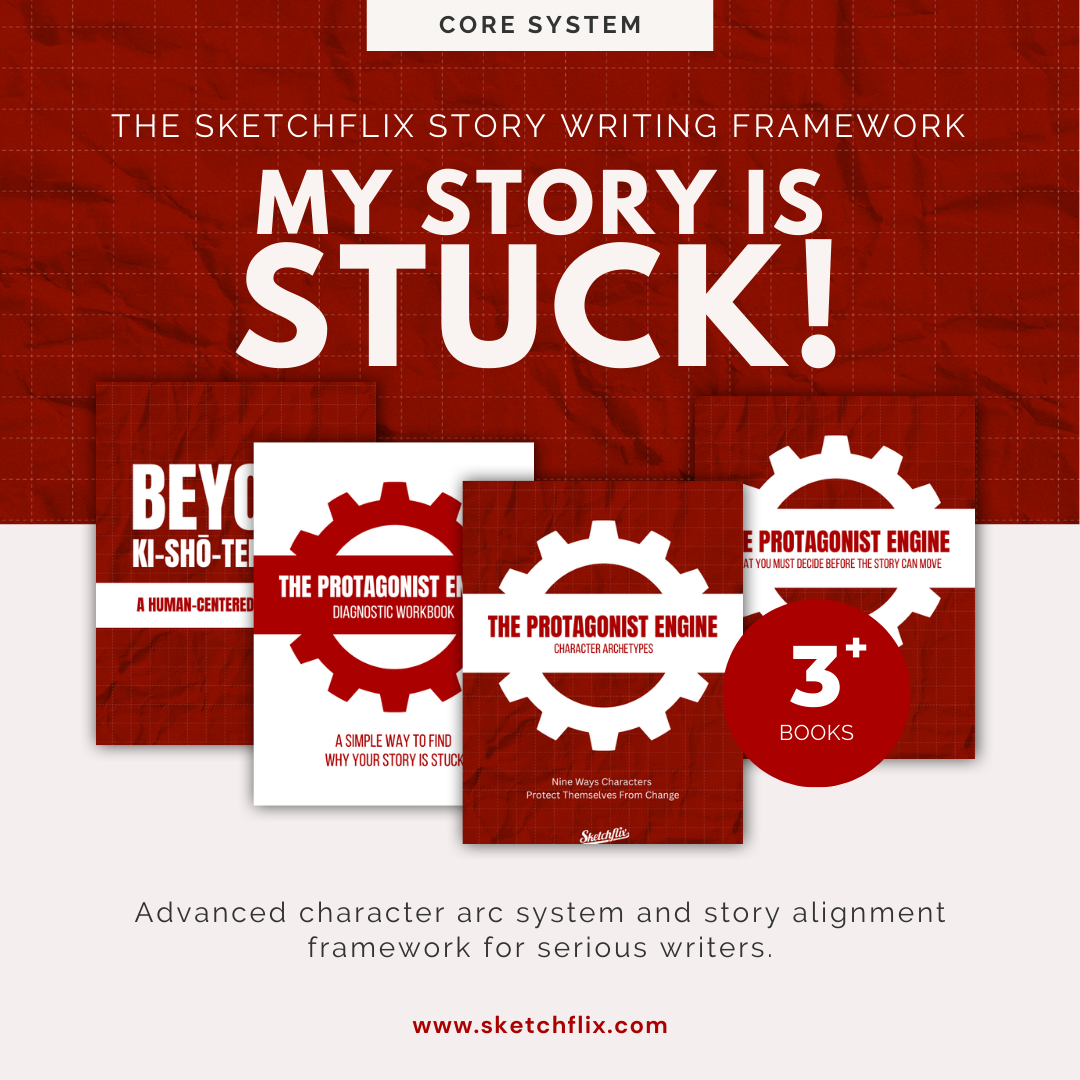
When you understand storytelling but your protagonist still refuses to transform, the issue is rarely plot.
This bundle provides the full character alignment layer: protection identification, resistance patterns, and structural pressure mapping.
Includes the Protagonist Engine framework, archetype breakdowns, story logic integration, and the Diagnostic Workbook.
Designed for serious writers who want clarity instead of hacks.
Inside, you’ll learn how to:
see what your protagonist is actually protecting
understand why pressure isn’t forcing change
recognize different resistance patterns instead of misdiagnosing them
stop rewriting scenes that are already doing what they’re designed to do
This is not a plotting system. It’s a diagnostic framework for understanding why change isn’t happening.
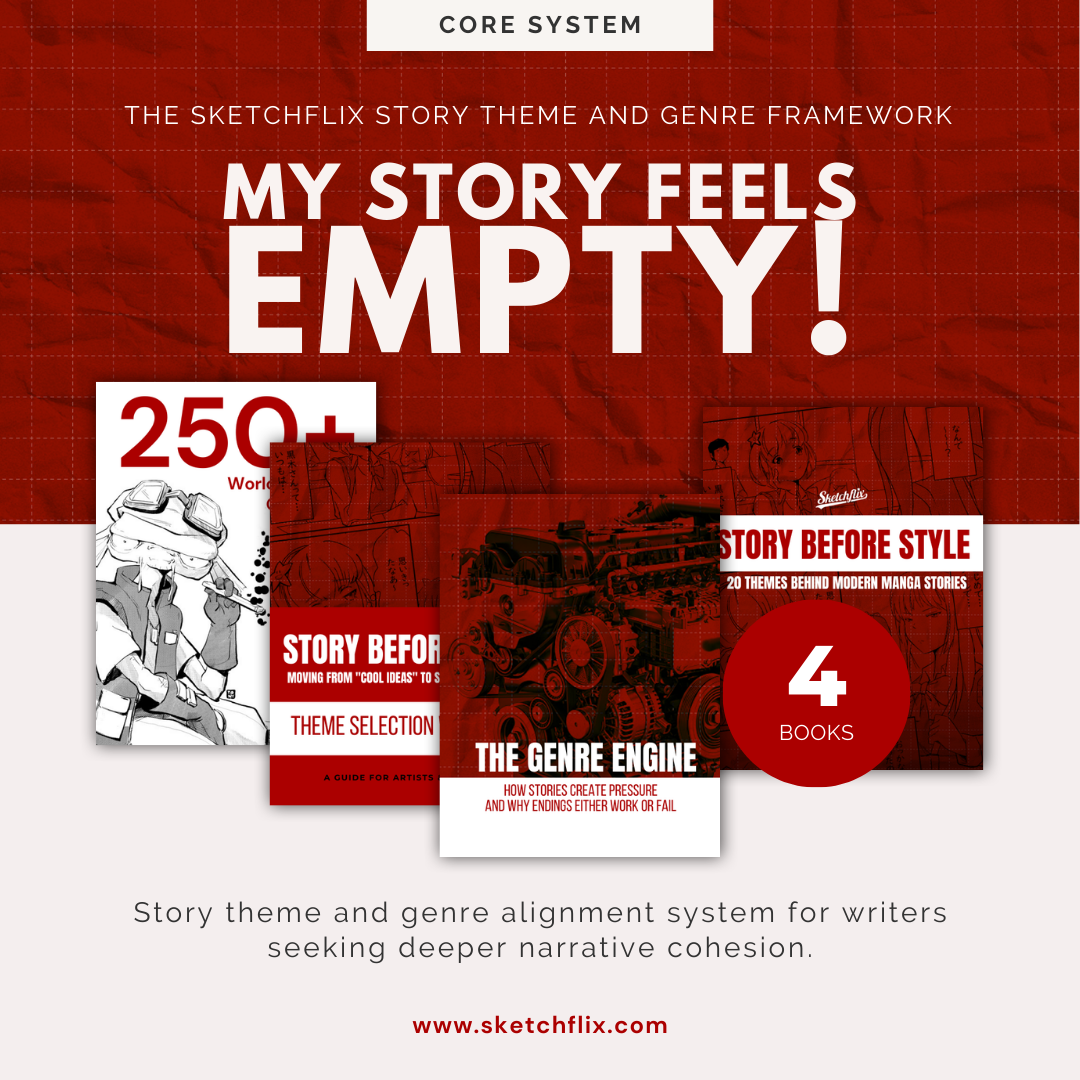
Let’s be honest: You can draw beautiful characters. You can design amazing worlds. You can even plan "cool" scenes. And yet, when you look at your pages, something feels off. The story looks right, but it doesn’t hit.
If your manga feels "hollow"—not bad, just empty—it’s because you’re fixing the wrong layer. You’re focusing on Style when you should be focusing on Pressure.