

What is a Mangaka? The Reality of Life as a Professional Manga Creator
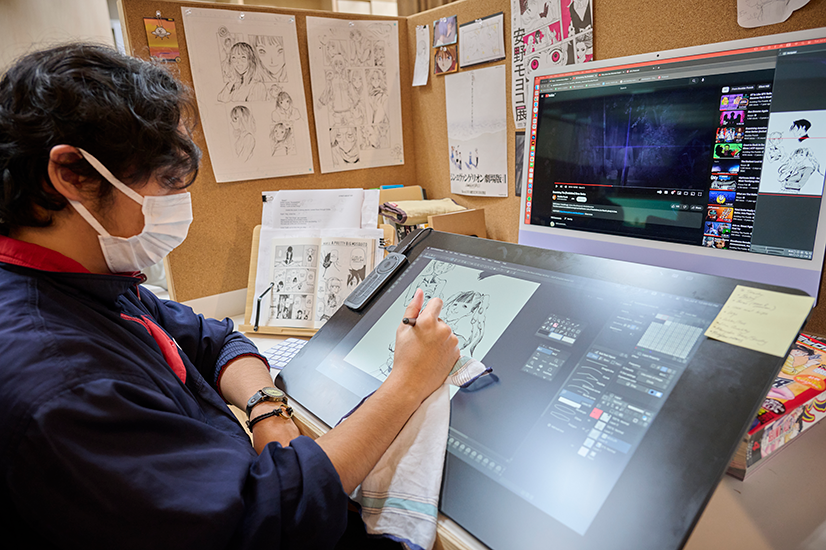
If you’ve ever stayed up until 3:00 AM reading the latest chapter of One Piece or Jujutsu Kaisen, you’ve experienced the work of a Mangaka. But what is a mangaka, really? Is it just an artist? A writer? A director?
In this guide, we’ll break down the definition, the grueling daily life, and why the "modern mangaka" looks different than you might think.
The Formal Definition
A Mangaka (漫画家) is a creator of manga. The word is composed of two parts: Manga (comic/whimsical images) and Ka (an expert or specialist). Unlike Western comics, where a writer and an artist are often two different people, a Mangaka is traditionally the "Auteur"—the person responsible for the story, the characters, the dialogue, and the art.
What Does a Mangaka Actually Do?
Being a mangaka is one of the most demanding jobs in the creative world. A professional creator in a magazine like Weekly Shonen Jump is responsible for producing 18–20 pages of finished art every single week. To achieve this, they follow a rigid production pipeline:
Bring your ideas to life with this collection of five clean, easy-to-use storyboard templates designed for artists, filmmakers, YouTubers, and creative storytellers.
Whether you’re planning a short film, mapping out your next YouTube video, or sketching a manga sequence, these templates give you the structure you need to move from idea to visual plan—fast.
Crafted with a director’s eye and an artist’s sensibility, each template helps you stay organized, tell clearer stories, and communicate your vision with confidence. No more messy sketchbooks or scattered notes—just a smooth, intuitive workflow that turns inspiration into production.
The "Name" (Nemuri): The rough storyboard where the pacing and "eye-flow" are decided.
Penciling: Refining the sketches into tight layouts.
Inking: The final commitment to the line.
Tones and Backgrounds: Adding depth and atmosphere (often with the help of assistants).
The Modern Mangaka: Beyond Tokyo
In the past, to be a "real" mangaka, you had to live in Japan and get published by a major house. Today, the definition has expanded.
Digital Creators: Artists on Manga Plus Creators or Webtoon are reaching millions globally.
Global Mangaka: Creators in Europe and the Americas are using the "Vertical Writing" style to build stories that rival the Japanese classics.
At Sketchflix, we believe that being a mangaka isn't about your zip code; it’s about your mastery of pressure, rhythm, and the "Name."
How Much Does a Mangaka Earn?
The salary of a mangaka varies wildly.
Newcomers: Earn "Manuscript Fees" (Genga-ryo) per page, usually ranging from $50 to $150 USD per page.
Successful Series: The real wealth comes from Royalties (T単kubon) and media adaptations (Anime, merch, movies).
Can You Become a Mangaka?
The barrier to entry has never been lower, but the barrier to success is higher than ever. To survive in this industry, you can't just be "good at drawing." You have to understand the Master Workflow: how to design a protagonist that fractures under pressure and how to engineer a world that feels vertical.
Ready to Start Your Journey?
Knowing "what" a mangaka is is the first step. Knowing how to be one is the rest of the journey.
If you are serious about moving from an "aspiring artist" to a "published creator," you need to stop guessing and start following a professional system.
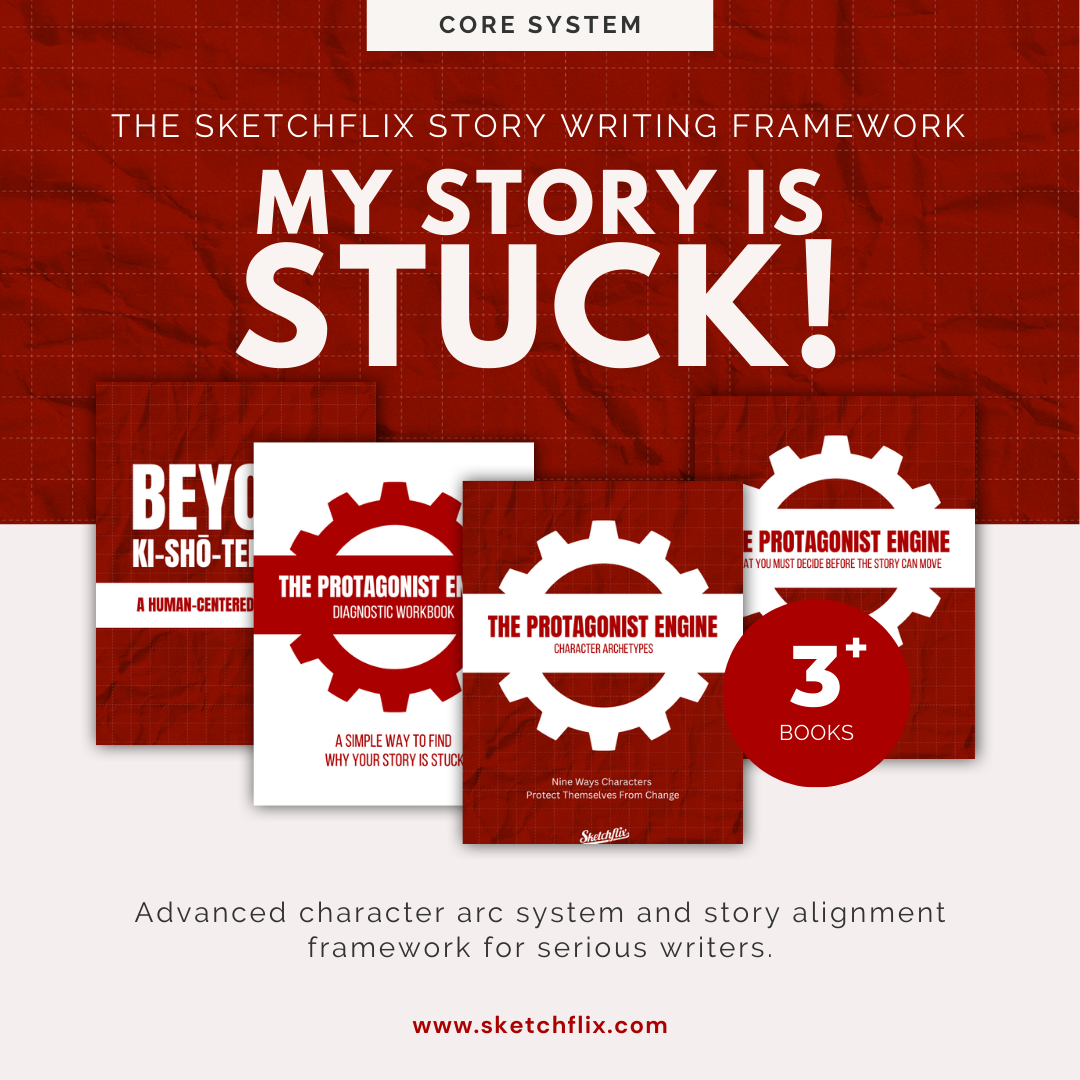
When you understand storytelling but your protagonist still refuses to transform, the issue is rarely plot.
This bundle provides the full character alignment layer: protection identification, resistance patterns, and structural pressure mapping.
Includes the Protagonist Engine framework, archetype breakdowns, story logic integration, and the Diagnostic Workbook.
Designed for serious writers who want clarity instead of hacks.
Inside, you’ll learn how to:
see what your protagonist is actually protecting
understand why pressure isn’t forcing change
recognize different resistance patterns instead of misdiagnosing them
stop rewriting scenes that are already doing what they’re designed to do
This is not a plotting system. It’s a diagnostic framework for understanding why change isn’t happening.